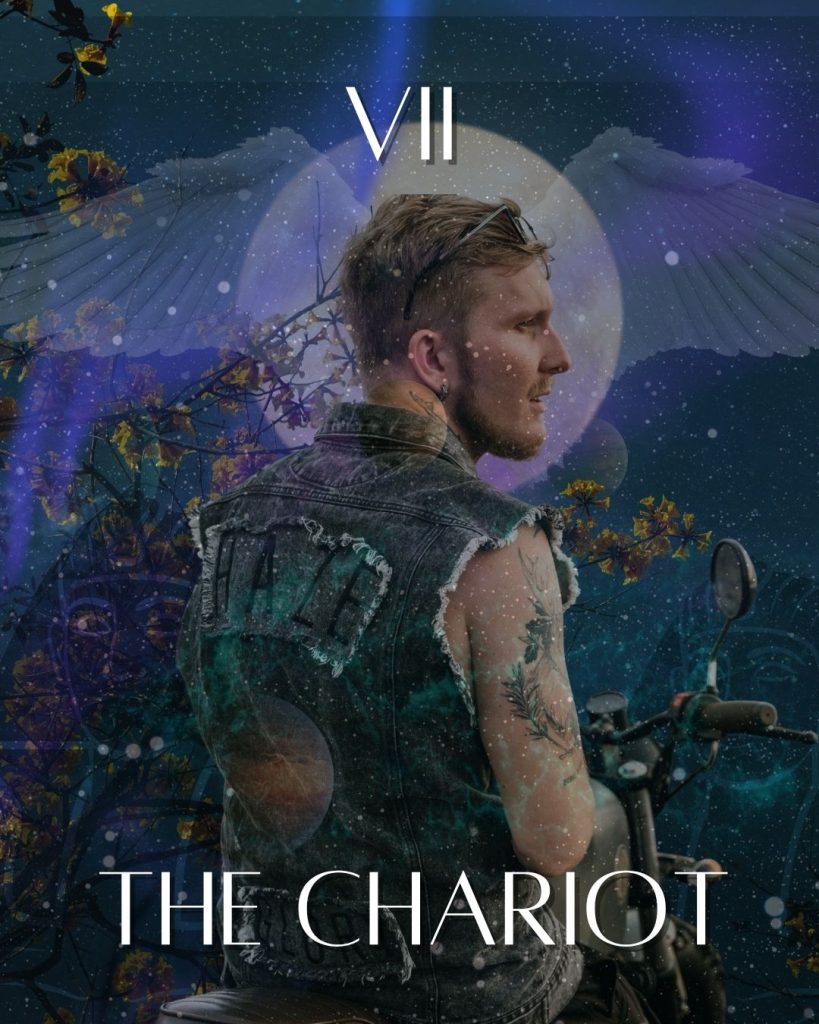
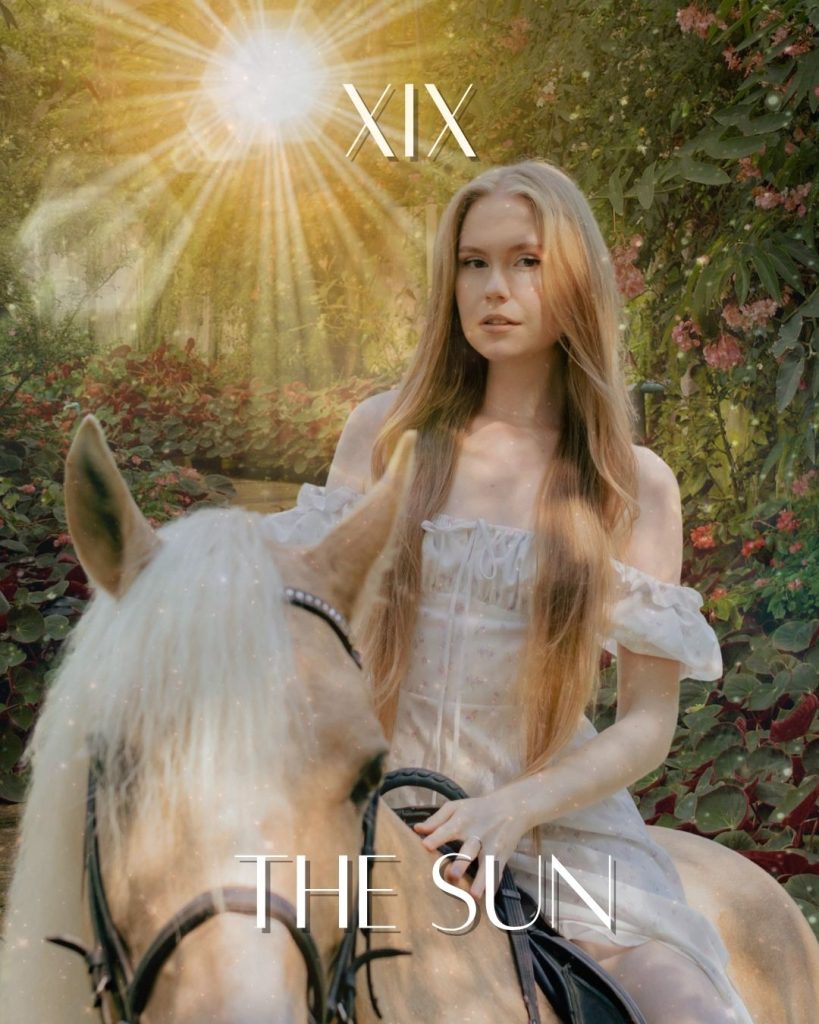
The cards, their story, and how to read them with awareness.
The Language of Symbols and the Soul
Tarot is a language of symbols – a bridge between image and meaning. What began as a set of painted playing cards in Renaissance Europe evolved into a way of exploring ideas, stories, and the human journey.
Here, the cards are not treated as only fortune-telling tools, but as mirrors of experience. Each one holds an archetype – a pattern we recognise within ourselves and the world around us.
Every card opens a doorway: the Magician’s focus, the Hermit’s search, the Tower’s sudden shift. Whether you’re new to tarot or revisiting it with fresh eyes, this space offers a way to understand the cards with clarity and curiosity.
A Brief History of Tarot
The first tarot decks appeared in 15th-century Italy, used for a game called trionfi (triumphs). Their imagery – kings, angels, virtues, and fools – reflected the beliefs and social order of the time.
By the 18th century, French thinkers such as Jean-Baptiste Alliette (Etteilla) and Antoine Court de Gébelin began viewing tarot as a symbolic system, linking it to astrology, numerology, and mysticism. Later, figures like Eliphas Lévi, Arthur Edward Waite, and Pamela Colman Smith gave rise to the Rider–Waite–Smith deck – still one of the most recognised interpretations today.
Over time, tarot moved beyond mysticism into psychology, creativity, and self-reflection. Today, it’s read by artists, writers, and seekers as a visual framework for awareness and understanding.
The Structure of the Deck
A tarot deck contains 78 cards, divided into two parts:
The Major Arcana (22 cards)
The Major Arcana explore universal themes – growth, challenge, transformation, and renewal. Each card represents a stage in the journey of becoming: The Fool, The Magician, The Empress, Death, The Star, and more.
Together they form The Fool’s Journey – a story of learning, change, and awakening.
The Minor Arcana (56 cards)
The Minor Arcana reflect everyday experiences. Their four suits – Cups, Wands, Swords, and Pentacles – align with the classical elements of water, fire, air, and earth.
Each suit moves from Ace to Ten, followed by Court Cards – Page, Knight, Queen, and King – showing different expressions of energy and personality.